
Module I
Peptide Therapy Certification
September 23–25, 2027
JW Marriott Phoenix Desert Ridge · Phoenix, AZ
$2,250 allied health · $2,750 physician · 3 days


- Regenerative & reparative peptides
- Neuroprotective & cognitive peptides
- Growth hormone axis & metabolism
- GLP-1 & metabolic protocols
- Immune modulation peptides
- Evaluate peptide candidacy
- Navigate FDA reclassification
Three days that change what you can offer on Monday morning.
Your patients are already asking about peptides. This is where you get the clinical grounding, the legal footing, and the frameworks to answer them with confidence — not a guess pulled from a podcast.
Somewhere this week, a patient mentioned BPC-157 or asked about a GLP-1 protocol they read about, or brought in a printout from a peptide clinic down the road. Peptide therapy has moved from niche to mainstream faster than most training has caught up.
That gap is where clinicians get stuck — either turning patients away toward providers with less oversight or prescribing off instinct instead of evidence. Module I closes that gap in a single weekend, taught by clinicians who use these protocols in their own practices every week.
Regulatory
Regulatory fluency is part of the curriculum
The landscape is moving in peptides' favor — and reading it is a clinical skill.
2026 brought real movement. In April, FDA removed twelve peptides from Category 2 of the 503A bulks list — a procedural step, not a safety clearance and not permission to compound. In July, its advisory committee recommended six of seven nominated substances for the Bulks List, against FDA staff recommendations.
Rulemaking takes time, and each peptide has its own standing. That's why regulatory literacy is taught alongside the clinical content here, not bolted on. You'll leave able to determine where any peptide stands, vet a compounding pharmacy, document appropriately, and explain it all to a patient who read something different online.
Curriculum
The peptides we cover.
Module I addresses the peptides your patients are actually asking about, including the twelve at the center of FDA's 2026 reclassification.
Regenerative & reparative peptides
BPC-157: Promotes healing, angiogenesis, and reduces inflammation; used for GI repair, tissue regeneration, and nervous system recovery.
Thymosin Beta-4 (TB4): Supports cell migration, wound healing, neuroregeneration, and tissue remodeling.
KPV (Lysine-Proline-Valine): Tripeptide with anti-inflammatory effects; supports gut integrity, wound healing, and mast cell stabilization.
RGN-259: A TB4-derived peptide under study for treating neurotrophic keratitis.
Neuroprotective & cognitive peptides
VIP (Vasoactive Intestinal Peptide): Modulates neuroimmune function, reduces inflammation, and supports circadian rhythm; used in Chronic Inflammatory Response Syndrome (CIRS).
Selank: Anxiolytic and nootropic; enhances cognition and mood.
PE-22-28: A spadin analog with antidepressant and neurogenic effects.
PT-141 (Bremelanotide): A melanocortin receptor agonist with mood and sexual function benefits.
Growth hormone axis & metabolism
CJC-1295/Ipamorelin: Stimulate growth hormone release; used for sleep, recovery, muscle growth, and cognition.
Sermorelin: GHRH analog for promoting natural GH/IGF-1 production; anti-aging and body composition.
Tesamorelin: GHRH analog used to reduce visceral fat and support cognitive performance and liver health in lipodystrophy and NAFLD.
GHRH / ALRN-5281: Peptides targeting GH axis; related to insulin sensitivity, thymic support, and oxidative stress control.
Appetite, anabolic & energy regulation
Ghrelin / Macimorelin: Appetite-stimulating peptides; Macimorelin is a ghrelin receptor agonist used for GH testing and potential in cachexia.
MOTS-c: Mitochondrial-derived peptide; boosts insulin sensitivity and supports metabolic health.
Nicotinamide Riboside (NR): NAD+ precursor enhancing mitochondrial function and cognitive resilience (not a peptide per se, but often used in peptide protocols).
Gut & barrier function peptides
Larazotide (AT-1001): Regulates tight junctions for intestinal permeability and is used in leaky gut, celiac disease, and autoimmune conditions.
Metabolic & cardiovascular peptides
GLP-1 agonists (Semaglutide, Tirzepatide, Liraglutide, Dulaglutide, Exenatide, Lixisenatide): Regulate blood sugar, reduce weight, and exhibit neuroprotective effects. Tirzepatide acts on dual GLP-1/GIP pathways.
Immune modulation peptides
Thymosin Alpha-1 (TA1): Boosts immune function; effective in viral infections, immune aging, and chronic inflammation.
Low Dose Naltrexone (LDN): Though not a peptide, it is frequently co-administered in peptide protocols for managing autoimmunity and chronic inflammation.
Amino-acid-based & signaling compounds
SPMs (Specialized Pro-Resolving Mediators): While technically not peptides, included for their overlapping use in inflammation resolution.
Wheat-Bran Peptides (LRP & LQP): Leucine-rich; studied for NASH and oxidative stress, AMPK activation, and mitochondrial function.
Inflammation-modulating & adjunctive compounds
IRW Peptide: Ovotransferrin-derived; anti-inflammatory, supports PGC1α and mitochondrial metabolism.
TUDCA: Bile acid derivative often used with peptides in neurodegenerative and metabolic protocols.
Clinical use categories
Eight focus areas mapping each peptide to the clinical use it's reached for.
Tissue repair
Neurocognitive health
GH axis & recovery
Energy & metabolism
Gut/barrier function
Metabolic regulation
Immune modulation
Mitochondrial support
Outcomes
What you walk away with
Not a syllabus. What you carry into your practice.
Stop dreading the peptide questions. Start leading them.
What Module I is built to do — move you from fielding peptide questions to answering them from evidence.
Clinical decision frameworks, not mechanism slides. You leave with structured approaches to patient selection, dosing, sequencing, and monitoring — the reasoning behind the protocol, so you can apply it to the patient in front of you rather than the one in the case study.
A service line most practices don't have yet. Patient demand for peptide therapy is outpacing the number of clinicians trained to deliver it responsibly. Module I gives you the clinical and regulatory grounding to offer it in your own practice.
Faculty who are still in practice. Every instructor treats patients with these therapies in their own clinics. You're not learning from a textbook author — you're getting the judgment calls that only come from having done it.
Module I is the first required module in the Peptide Therapy Certification pathway offered in partnership with the International Peptide Society. Certification is awarded on completion of the full pathway.
A room full of people doing exactly this. Three days next to physicians, NPs, and PAs already navigating the same regulatory questions and patient conversations you are. Most attendees leave with people they'll call after a hard case.
Learn from clinicians in the trenches.
Faculty
Speaker lineup announced soon
Worth getting on a plane for.
Module I runs September 23–25, 2027 in Phoenix. Three focused days, away from the practice, with nothing pulling your attention back to the waiting room.
For a lot of clinicians, that distance is the point — a weekend where the only thing on the schedule is getting better at this one thing.
Schedule · September 23–25, 2027
Three days, structured around decisions — not lectures.
Stay
Hotel information.
Your home base for the three days — rooms, sessions, and everything in between under one roof.

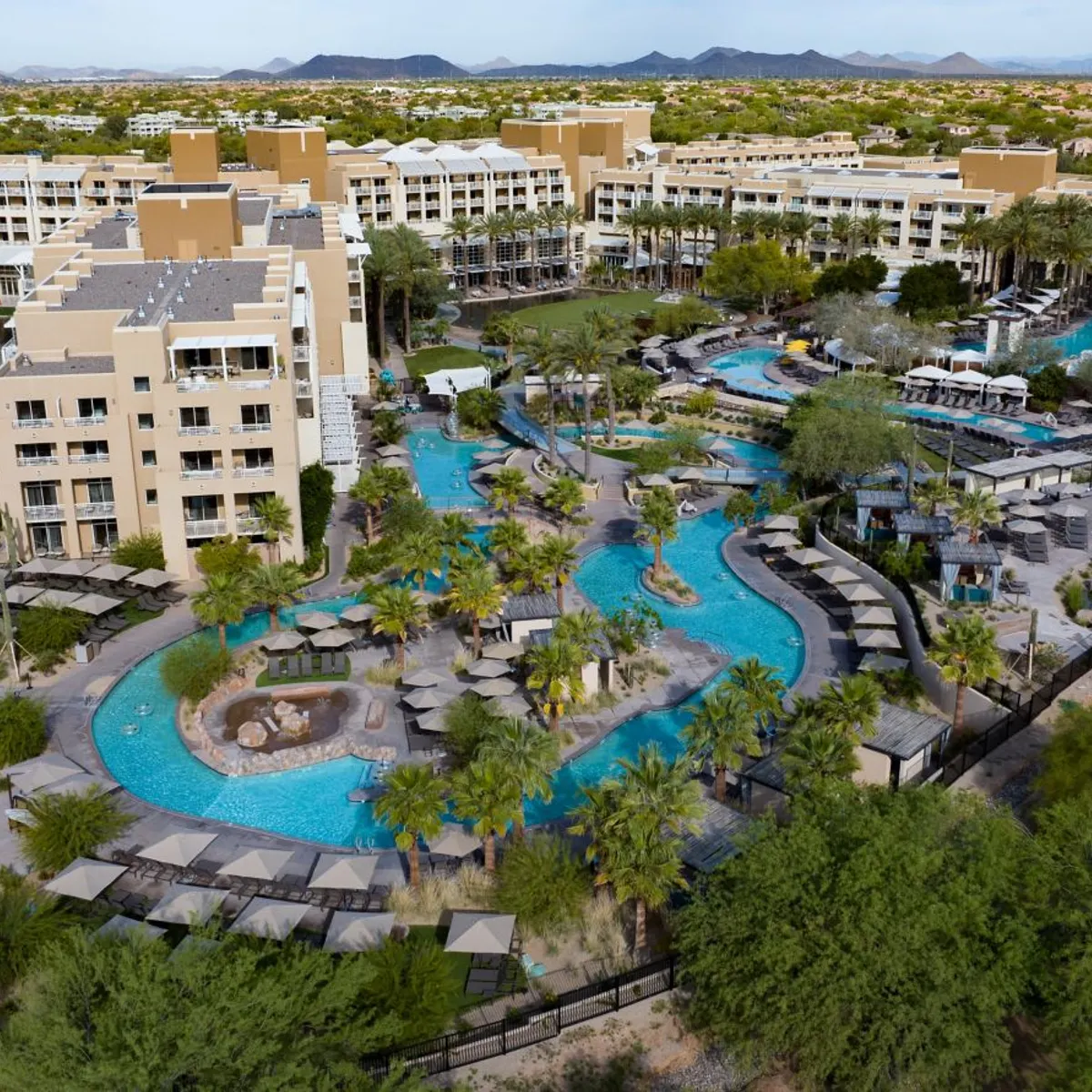


JW Marriott
5350 East Marriott Drive | Phoenix, AZ 85054
A one night's deposit is due at the time of booking. The cancellation window is 30 days prior to arrival. Reservations canceled within 30 days of arrival forfeit the one-night deposit.
