
MODULE II
Peptide Therapy Certification
Advanced clinical application, current regulatory reality, and case-based protocol design
March 4-6, 2027
Omni Orlando Resort at ChampionsGate, FL
$2,250 allied health · $2,750 physician · 3 days


- Neurocognitive & CNS peptides
- GH / anabolic & body composition
- Metabolic, weight & mitochondrial
- Regenerative & organ repair
- Immune & inflammation modulation
- Longevity & geroprotection
- Dermatologic, aesthetic & hair
- Sexual function & reproductive
- Vascular & cardiometabolic
Module II · Advanced
From pharmacology to protocol — case by case.
Module II picks up where the foundations end. Over three days of case-based instruction, faculty move from peptide pharmacology to the decisions clinicians actually make in practice: which agent, at what dose, for which patient, supported by which lab markers — and what can legally be sourced and prescribed right now.
- Regenerative
- Aesthetic
- Metabolic
- Neurocognitive
- Longevity
The curriculum spans five clinical domains and nine peptide categories, with a dedicated focus on the compounding and regulatory changes that have reshaped peptide practice. You will leave with protocol frameworks, monitoring parameters, documented cases, and a clear-eyed view of where the evidence is strong, where it is thin, and where the rules are still being written.
Regulatory focus: current through 2027
Key focus areas
Regulatory & Sourcing Fluency
The FDA compounding landscape changed materially in 2026 and continues to move.
Clinical Protocol Design
Dose selection, cycling, stacking rationale, duration, and de-prescribing — built around patient phenotype rather than a fixed list.
Baseline & Monitoring Laboratory Strategy
Which markers establish candidacy, which track response, and which trigger you to stop.
Regenerative & Longevity Applications
Tissue repair, cellular senescence, biological-age markers, and the combination of peptides with PRP and other orthobiologics.
Metabolic & Body Composition Medicine
GLP-1 and multi-agonist therapy, the current oral options, muscle preservation, and where peptides fit alongside approved pharmacotherapy.
Aesthetic, Dermatologic & Neurocognitive Application
Skin, hair and facial protocols, and peptide strategies in cognition and CNS support.
Why Now
Why Module II in 2027
The rules changed. The curriculum changed with them.
Peptide practice in 2027 does not look like peptide practice in 2023. Substances that were blocked from compounding have been moved off the restricted list. Others have been recommended for approved compounding but cannot be dispensed until rulemaking is final. A further group — including LL-37, GHK-Cu, dihexa and melanotan II — goes before the advisory committee by the end of February 2027, days before this module convenes. Meanwhile the GLP-1 category has produced new approvals, new oral options, and an active enforcement posture — FDA posted warning letters to online peptide sellers as recently as September 2026.
Module II is built to leave you current, not merely informed:
01
Which peptides FDA allows to be compounded today, and which it does not
02
How to document medical necessity and sourcing in the patient record
03
What to tell a patient who arrives with a research-chemical vial
04
How to describe peptide therapy in your own marketing without inviting a warning letter
05
Where the pending federal decisions are likely to land, and how to prepare for either outcome
Curriculum
Peptide Reference Library
Nine clinical categories spanning the peptides your patients are actually asking about — from CNS and regenerative applications to metabolic, immune, and longevity protocols.
Neurocognitive & CNS ▾
ARA-290 (Cibinetide): Neuroprotection, immune modulation, post-infection, encephalitis.
Cortexin: Neuroprotection, cognitive support.
Dihexa: Cognitive enhancement, neuroprotection (Alzheimer's, Parkinson's, focus).
DSIP: Sleep and circadian optimization.
Humanin: Mitochondrial peptide with neuroprotection, anti-apoptosis, longevity.
Met-Lys-Pro (MKP): Neuroprotection, vascular and metabolic support in elders.
N-acetyl Semax: Cognitive support, stress and mood, focus.
PE-22-28 (Spadin analog): Antidepressant, neurotrophic, neurogenesis and synaptogenesis.
Pinealon: Neuroprotection, cognitive enhancement.
Rg3 / Rb1 Ginsenoside: Neuroprotection, stroke recovery, metabolic support.
Selank: Cognitive boost, anxiolytic, neuroprotection.
Semax: Cognition, neuroprotection, mood stabilization.
VIP: Circadian rhythm, neuroprotection, immune modulation, post-viral recovery.
GH / Anabolic / Body Composition ▾
CJC-1295: GH axis modulation, muscle recovery, aging and performance.
GHRP-2, GHRP-6: GH modulation, muscle growth, anti-aging.
IGF-1: Muscle growth, performance, anti-aging protocols.
Ipamorelin: GH axis modulation, anti-aging, muscle repair, performance.
Sermorelin: GH axis stimulation, anti-aging, muscle performance.
SARMs (non-peptide): Muscle growth, frailty, aging — context for this category.
GnRH: Sex hormone modulation, muscle, frailty, anti-aging.
Metabolic, Weight & Mitochondrial ▾
Retatrutide (GIP/GLP-1/glucagon agonist): Diabetes, metabolic disease, obesity.
Semaglutide (GLP-1 agonist): Diabetes, obesity, metabolic syndrome, weight management.
Tirzepatide (GIP/GLP-1 agonist): Diabetes, weight management, obesity, metabolic syndrome.
MOTS-c: Mitochondrial metabolic peptide, insulin sensitivity, anti-diabetic protocols.
LRP, LQP, IRW: Metabolic support, hypertension, NAD upregulation, NASH, osteoporosis.
Glutathione: Antioxidant, detoxification, mitochondrial support.
SS-31: Mitochondrial antioxidant, organ protection, fatigue, metabolic disease.
FOXO4-DRI: Senolytic, targets senescent cells, tissue rejuvenation.
Regenerative & Organ Repair ▾
Arginate: Healing support, anti-inflammatory — gut, tendon, musculoskeletal.
BPC-157: Gut healing, bone/tendon/nerve/skin repair, neuroprotection, oral surgery, angiogenesis.
TB-500 (Thymosin Beta-4): Wound healing, muscle and skeletal repair, skin restoration, immune modulation, hair growth.
TB4 Frag 1-4 (Ac-SDKP): Cardiac, kidney and GI healing, anti-inflammatory, anti-fibrotic, post-viral.
Growth Factors (VEGF, PDGF, TGF, etc.): Skin healing, regenerative applications, collagen production.
VEGF, PDGF, TGF: Skin restoration, wound healing, regenerative therapy.
RKH: Sepsis and systemic inflammation protection — organ-protective.
Taxorest: Lung regeneration, fibrosis management, chronic cough.
Bronchogen: Lung regeneration, chronic cough, lung fibrosis.
Vilon: Gut barrier stabilization, glucose absorption, organ bioregulation.
Immune & Inflammation ▾
ARA-290 (Cibinetide): Immune modulation, analgesic/neuropathic and inflammatory indications.
TA1 (Thymosin Alpha-1): Immune enhancement — viral, inflammatory, autoimmune disease.
Thymagen / Thymalin / Thymulin: Immune modulation, infection and autoimmunity, anti-inflammatory.
KPV: Anti-inflammatory, gut and skin healing, autoimmune modulation.
RKH: Sepsis and systemic inflammation protection.
VIP: Immune modulation, post-viral recovery.
TB-500 / TB4 Frag 1-4: Immune modulation with tissue repair — overlaps with regenerative.
Longevity & Geroprotection ▾
Epitalon / Epithalamin: Telomere lengthening, pineal-derived anti-aging, endocrine and circadian support, antioxidant.
Humanin: Mitochondrial longevity peptide, anti-apoptosis, neuroprotection.
FOXO4-DRI: Senolytic, senescent-cell targeting for rejuvenation.
L-Carnosine: Antioxidant, cognition, muscular support, anti-aging.
SS-31: Mitochondrial antioxidant with anti-aging applications.
LRP, LQP, IRW: Metabolic health and NAD support — longevity-adjacent.
GH-axis agents (CJC-1295, GHRPs, Sermorelin, IGF-1, GnRH, Ipamorelin): Anabolic and anti-frailty support in anti-aging programs.
Dermatologic, Aesthetic & Hair ▾
GHK-Cu: Skin and nerve regeneration, wound healing, anti-inflammatory, hair growth.
Matrixyl (Palmitoyl Pentapeptide): Collagen production, skin restoration, anti-aging.
Palmitoyl Pentapeptide (general): Collagen production, anti-aging — same family as Matrixyl.
SNAP-8: Facial aesthetics, skin aging, wrinkle reduction.
Growth Factors (VEGF, PDGF, TGF, etc.): Regenerative aesthetics, collagen stimulation.
BPC-157, TB-500: Skin repair, scar and wound support — cross-listed under regenerative.
Sexual Function & Reproductive ▾
PT-141 (Bremelanotide): Sexual desire modulation, erectile dysfunction.
GnRH: Sex hormone axis modulation.
IGF-1 / GH-axis peptides: Indirect support via anabolic and hormonal milieu.
Vascular & Cardiometabolic ▾
Vesugen: Vascular protection, atherosclerosis, neuroprotection.
Taxorest: Lung and vascular-bed impact — fibrosis.
TB4 Frag 1-4: Cardiac and kidney healing, anti-fibrotic.
MKP (Met-Lys-Pro): Vascular and metabolic support in elders.
SS-31: Protects heart, kidney and brain via mitochondrial mechanisms.
MOTS-c, LRP/LQP/IRW: Cardiometabolic and vascular support.
Clinical Use Categories (Quick View) ▾
Neurocognitive & CNS
GH / Anabolic
Metabolic & Mitochondrial
Regenerative & Repair
Immune & Inflammation
Longevity
Dermatologic & Aesthetic
Sexual Function
Vascular & Cardiometabolic
Curriculum
Learning Objectives
By the close of Module II, you will be able to do the following in your own practice.
Certification
How certification works
Certification in peptide therapy requires both of the following
Step 01
Membership
Active membership in A4M or the International Peptide Society.
Step 02
Coursework
Completion of Peptide Therapy Module I and Module II.
Learn from clinicians in the trenches.
Faculty — Coming Soon
Speaker lineup announced soon
Module II is taught by practicing clinicians and pharmacists who prescribe and dispense these therapies.
Three days, built around clinical decisions
Schedule · March 4–6, 2027
Detailed agenda announced soon
Join us this March in Orlando and bring peptide therapy in-house.
Pricing reflects registration for Module II. Allied Health includes nurse practitioners, physician assistants, and nurses.
Stay
Hotel information.
Your home base for the 3 days — rooms, sessions, and everything in between under one roof.
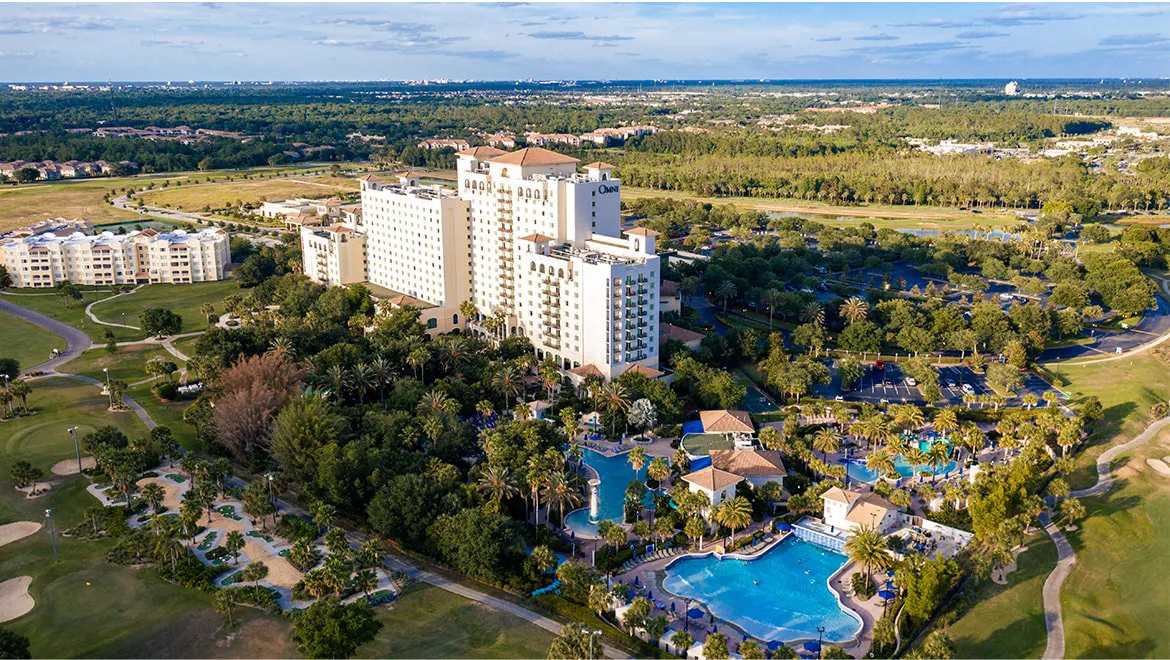
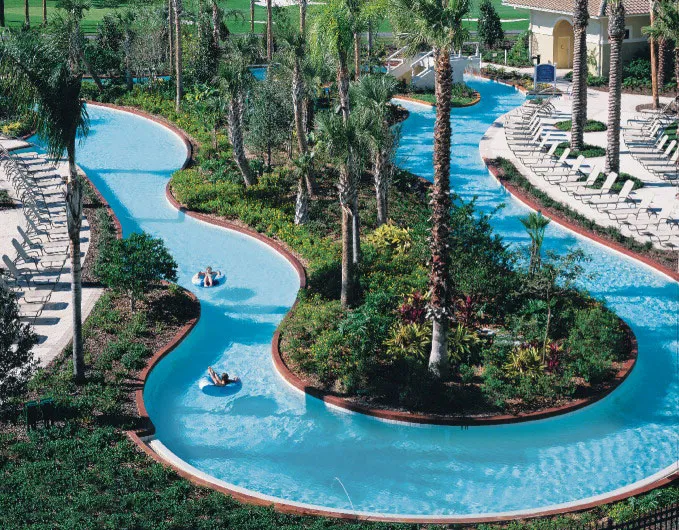
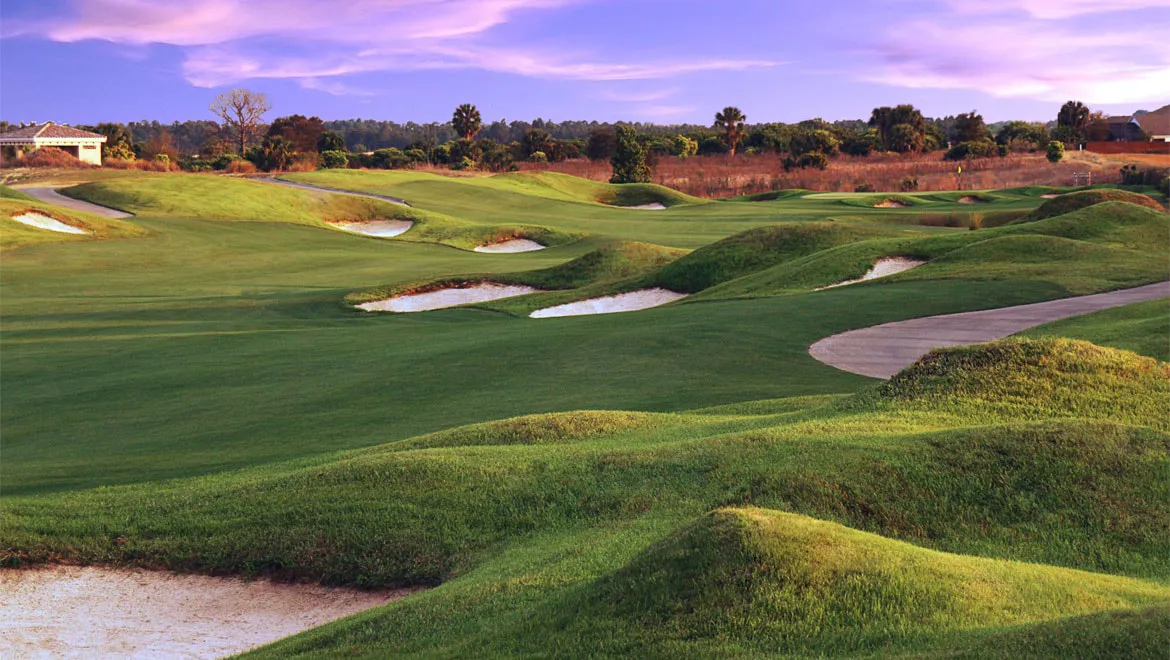
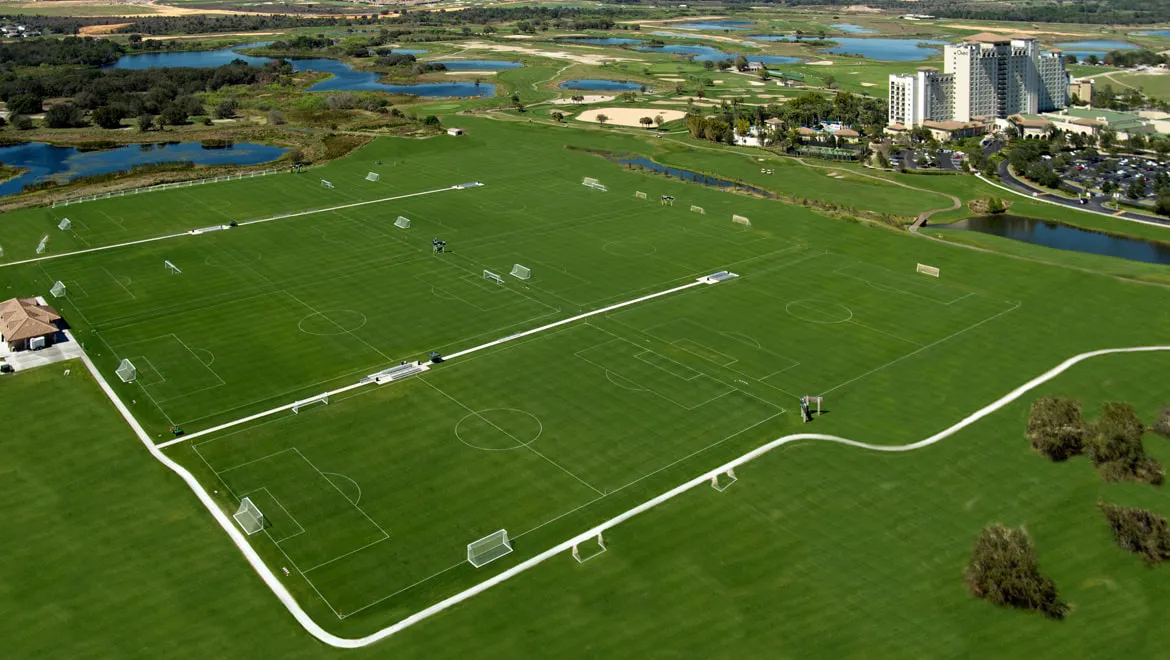
Omni Orlando Resort at ChampionsGate
1500 Masters Blvd · ChampionsGate, FL 33896
