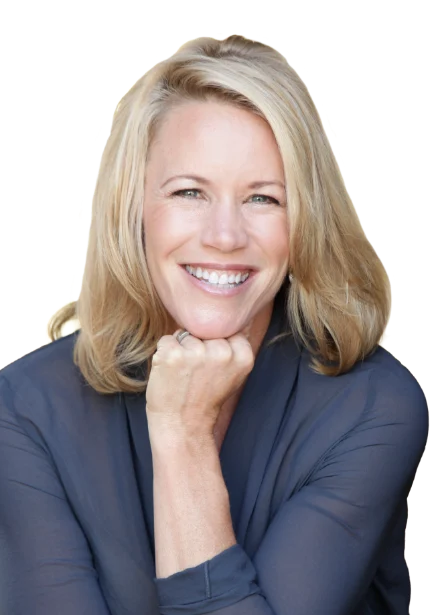
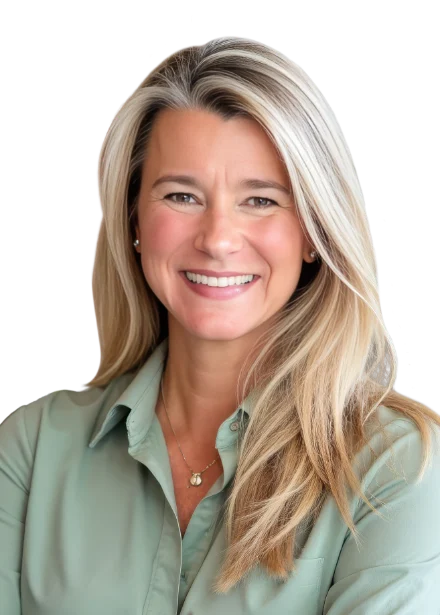
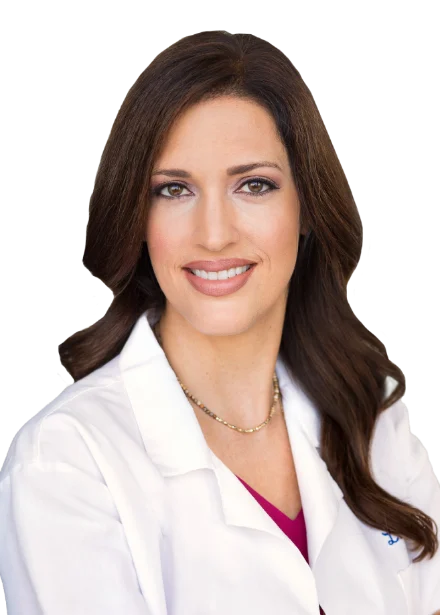
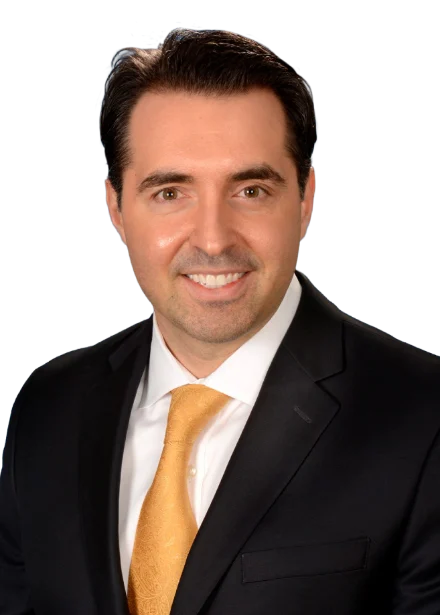
Moderates the full day and leads Prevention as the Future of Longevity, shifting the focus from responding to dysfunction toward preserving physiological reserve, reducing lifetime toxic exposure, and extending healthspan through proactive care.
A Foundational Approach to
Toxic Burden, Resilience & Longevity
Moving beyond detox trends toward durable, root-cause protocols for cellular and metabolic clearance — building the resilience patients need for healthspan and lifespan.

What to Expect
Environmental toxicants, microbial toxins, and metabolic waste are increasingly recognized as major drivers of chronic disease, accelerated aging, and lost resilience. Yet clinicians are often left wondering why some patients thrive on detoxification strategies while others stall — or get worse.
This immersive full-day workshop introduces a clinical framework for identifying and addressing the biological systems that govern a patient's ability to tolerate, process, and eliminate toxic burden. Through presentations from leading clinicians and educators, you'll explore the interconnected roles of cellular energy production, drainage and detoxification pathways, GI integrity, immune regulation, metabolic health, and environmental exposures.
You'll leave with practical, ready-to-apply approaches for evaluating toxic burden, pinpointing the barriers to detoxification and recovery, and implementing strategies that build resilience — helping patients move beyond symptom management toward the restoration of physiological function and a stronger foundation for healthspan and lifespan.

What You'll Learn
Each block pairs the underlying biology with protocol-level decisions you can apply in practice the next day.
A clinical framework for evaluating toxic burden and a patient's capacity to process it.
How cellular energy production and drainage pathways govern successful detoxification.
The roles of GI integrity, immune regulation, and metabolic health in building resilience.
Why some patients respond to detox protocols — and how to identify the barriers in those who don't.
Strategies to strengthen resilience and support long-term health outcomes.
How to move patients from symptom management to true restoration of physiological function.
Faculty
Hover a card to read their story.
Who Should Attend
If your patients struggle with chronic, complex, or treatment-resistant presentations, this day gives you a systems framework to help them recover.
Schedule
8:00 AM – 6:00 PM · Four parts, from the science of toxic burden to protocols you can run on Monday.
Holly Lucille, ND, RN, ONC — ModeratorIntroduce the day’s central themes, learning objectives, and the systems-based approach to toxic burden, resilience, and longevity. Engage attendees in identifying the challenges they encounter when addressing toxic burden in clinical practice.
Explore the modern exposome, cumulative toxic burden, and the relationship between environmental stressors, declining physiological resilience, and increasingly complex patient presentations.
Holly Lucille, ND Tracy Southwick, NDConnect the science of toxic burden to everyday clinical practice through moderated discussion, audience questions, and key takeaways from the opening session.
Laura Frontiero, NPExamine the interconnected roles of drainage and elimination pathways, gut integrity, cellular energy, immune regulation, and the other systems that influence a patient’s capacity to process, eliminate, and recover from toxic stress.
Holly Lucille, ND, RN, ONCShift from responding to dysfunction to preserving resilience before symptoms emerge: physiological reserve, reducing lifetime toxic exposure, supporting natural protective and elimination systems, and the role of proactive care in extending healthspan.
Holly Lucille, ND Tracy Southwick, ND
Laura Frontiero, NPApply a systems-based approach to real-world patient cases — work through clinical scenarios, identify barriers to successful detoxification, prioritize interventions, and compare your approach with faculty perspectives.
Chris D’Adamo, PhDExamine the evolving evidence supporting detoxification strategies, including CellCore’s research program, ongoing clinical studies, and findings available to date, plus the challenges of building rigorous evidence in an emerging area of practice.
The perspective of a principal investigator on study design, translating research into patient care, and lessons drawn from conducting clinical research in practice.
Holly Lucille, ND
Chris D’Adamo, PhD Jaquel Patterson, NDModerated discussion on building the evidence base for detoxification and resilience — study design, outcome measurement, and audience Q&A.
Drew Kidder, DC
Emily Hernandez, NDTranslate the day’s concepts into practical clinical workflows, patient education, protocol sequencing, and implementation, including how CellCore products, protocols, and practitioner resources support a systems-based approach.
Drew Kidder, DC
Emily Hernandez, NDPut systems-based detoxification into practice through interactive patient cases — clinical decision-making, protocol sequencing, product application, common challenges, and practical strategies to bring back to your practice.
Bring the day’s perspectives together in a faculty discussion on the evolving relationship between toxic burden, physiological resilience, prevention, and longevity — key takeaways, emerging opportunities, and audience questions.
Reserve Your Seat · December 10
A full day of practical, protocol-level training in detoxification, resilience & longevity — with limited seating.
Questions
Everything you need to know before you register. Still have a question? Email [email protected].
Why Detoxing Isn't Enough is a Pre-Conference Workshop add-on held December 10, before the Core 3-Day Event. It can be added to any conference registration or booked on its own.
No. The day is structured to serve clinicians new to detoxification and environmental medicine as well as established functional and longevity providers. We begin with foundational frameworks before advancing to protocols.
Yes. This workshop offers CME credit (number of hours to be determined), awarded separately from the Core 3-Day Event. Final accreditation details are published closer to the event.
Yes. Workshops run in an intimate lab setting to maximize hands-on time and instructor access, so seats are limited and tend to sell out ahead of the conference.