Stem Cell Therapy Fellowship
Overview
The use of stem cells is a natural progression in integrative medicine. Through the use of stem cell therapy, regenerative medicine is a revolutionary approach to restore, rejuvenate, and regenerative cells, tissues, and organs that are diseased or injured.
The growing demand for treatments involving cell therapy has grown exponentially over the past decade. Physicians and patients are both informed and aware of the many clinical studies that are conducted worldwide to treat different degenerative conditions with stem cells.
This exponential growth has brought forth its shares of promise, triumph, and controversy. The rapid growth of this field has left a vast knowledge gap among healthcare professionals. The A4M has recognized this need for current, up-to-date, credible, and compliant information regarding stem cell therapies. Understanding the cell therapy regulatory environment is as important today as understanding the function, mechanisms of action, and applications of stem cell therapy.
The Stem Cell Fellowship is designed to address the knowledge gaps by providing extensive didactic and hands-on procedural skills education that delineates the realistic pathway from bench to bedside in a compliant, safe, and effective fashion. In this modular training program, a world renown group of regenerative medicine scientists and clinicians, led by Dr. Sharon McQuillan, provide a series of topics that review the general principles and practices regarding stem cell theory, mechanisms of action, and analysis of current studies regarding treatment. Additionally, extensive education on current FDA and worldwide regulations on cell products is provided to help healthcare professionals practice safe medicine.
At the completion of the Stem Cell Fellowship, attendees will possess the knowledge and skillset to provide regenerative treatments that are safe, effective, and compliant based on their practice location.
Stem Cell Fellowship Modules
The Fellowship in Stem Cell Therapy is comprised of a five modular series including four didactic modules and one clinical intensive.
- Module I: The Biological and Molecular Basis for Regenerative Medicine
- Module II: Best Practices in Regenerative Medicine
- Module III: In-Office Applications of Regenerative Therapies: Focus on Cardiovascular, Vascular, and Respiratory Conditions
- Module IV: In-Office Applications of Regenerative Therapies: Focus on Musculoskeletal, Neurological and Neuro-Degenerative Conditions
- Module V: Stem Cell & PRP Harvesting, Isolation, & Injection Techniques (Hands-On Clinical Module)
Requirements:
- Completion of Modules I-V
- Written Examination In Stem Cell Therapy
- Active A4M Membership
- Open to MD, DO, PA*, NP*
Locations for Live Modules
New You Medical Training Institute, Fort Lauderdale, Florida, USA
New You Medical offers patients and medical professionals the highest quality regenerative, cosmetic, and integrative medical solutions from expert clinicians, educators, and researchers. Our founder, Dr. Sharon McQuillan, has been at the forefront of Aesthetic, Integrative, and Regenerative medicine for decades and has participated in both clinical research and education to advance the technology and science in these respective fields. She has trained thousands of medical professionals and has personally selected our highly skilled subspecialists to work along with her. Together, we are committed to excellence and will provide you with the very best education.
Module I
The Biological and Molecular Basis for Regenerative Medicine
The first module of the Stem Cell Fellowship will provide a detailed foundation of the concepts of cellular biology and physiology, stem cell biology, and the intricacies of cellular signaling and cell phenotypes that are essential in regenerative medicine. All stem cell sources will be reviewed including fetal, placental, umbilical, cord blood, embryonic, bone marrow derived, adipose derived, peripheral blood, and induced pluripotent stem cells. Current stem cell markers, as well as the latest cell imaging devices and techniques will be discussed and demonstrated in a live, interactive setting.
Objectives:
Upon completion of the module, the participant will:
- Review the history and highlights of the field of translational science and regenerative medicine
- Possess a thorough understanding of cell anatomy and biology, including cell structure, function, transport, and the cell cycle
- Understand basic stem cell properties and processes, including self-renewal and cell cycle regulation
- Develop a working knowledge of cell-ECM(extra cellular matrix) and cell-EMT (epithelial mesenchymal) transitions
- Discuss the importance of stem cell niche environments and cell signaling
-
Analyze the properties, mechanism of action, features, benefits,
drawbacks, and applications of the various stem cell sources:
- Embryonic
- Amniotic
- Fetal tissue
- Cord blood
- Placental
- Peripheral blood
- Umbilical
- Bone marrow derived
- Adipose derived
- Induced pluripotent
- Explore the principles and ethical considerations of cloning
- Describe the characteristics and composition of mesenchymal stem cell and their applications
- Compare and contrast the risks and benefits of autologous versus allogeneic stem cell approaches
- Develop a working knowledge of cell markers specific to stem cells and their importance in regenerative medicine
- Participate in interactive sessions with leading experts viewing live stem cell demonstrations and specimens
- Analyze the various roles of growth factors in cell regeneration and rejuvenation
- Discuss the importance of cell markers in determining cell viability and effectiveness in a clinical and/or research setting
- Describe the relationship of telomeres as it applies to translational and regenerative medicine
- Participate in interactive sessions with leading experts demonstrating and comparing the latest cell imaging and labeling techniques, including magnetic resonance imaging, flow cytometry, ultrasound, single photon emission computed tomography, and positron emission tomography.
The second module of the Fellowship in Stem Cell Therapies will provide a detailed foundation of the best practices needed to successfully incorporate cellular therapies into a clinical or research setting. This module will review the science of all current autologous stem cell harvesting and isolation techniques. The concepts of cell culture and expansion, isolation, cell banking, cryopreservation, and cell validation strategies will be reviewed. Current compliance and regulatory practices, guidelines, and statutes regarding cellular products and procedures will be presented by thought leaders in the field of regenerative medicine
Objectives:
Upon completion of the module, the participant will:
- Develop expert understanding of the harvesting methods employed for autologous bone marrow, adipose, and peripheral blood stem cell procedures
- Compare stem cell isolation methods for reproducibility, robustness, and cell viability
- Discuss the risks, benefits, applications, and current legalities surrounding cell cryopreservation and cell banking
- Understand the importance of cell validation studies and cell product standardization as it relates to clinical treatment and research
- Become familiar with cell culturing and expansion techniques, including benefits, drawbacks, mechanisms of action, and practical application
- Possess a working knowledge of the use of biomaterials and bio-scaffolds and their role in regenerative and translational medicine
- Discuss the basics of tissue engineering and evaluate current research pertaining to the subject
- Review the concepts and implementation of Good Tissue Practices (GTP)
- Learn the importance of Good Manufacturing Practices (cGMP) as it relates to the field of regenerative and translational medicine
- Understand the premise of platelet rich plasma and its adjunctive uses in regenerative medicine
- Analyze current state, US governmental and worldwide agency position on human cells, tissues, and cellular and tissue-based products
- Investigate guidelines surrounding Institutional Review Board (IRB) approved clinical studies and their importance in the field of regenerative and translational medicine
- Learn best practices for performing in-office stem cell research according to current guidelines
- Review the ethical considerations surrounding cellular therapy
- Participate in interactive sessions with leading experts evaluating case studies of actual incidents to evaluate ethical, legal, and regulatory considerations
Module III
Regenerative Therapies: Focus on Cardiovascular, Vascular, and Respiratory Conditions
The third module of the Fellowship in Stem Cell Therapies will provide a detailed foundation regarding the treatment of cardiovascular, vascular, and respiratory conditions utilizing various stem cell sources. An overview of each disease condition and current standard of care will be examined. A comprehensive analysis of current research regarding these treatments will be presented.
Objectives:
Upon completion of the module, the participant will:
-
Review the disease background, statistics, etiology, current standard of
care, and issues/controversies surrounding current treatments for many
cardiovascular conditions, including:
- Myocardial infarction
- Ischemic cardiomyopathy
- Atherosclerosis
- Discuss the mechanism of action, structure, and function of cardiopoietic stem cells
- Analyze the various cell therapies available for cardiovascular regeneration, including induced pluripotent, umbilical, mesenchymal stem cells, and biomaterials
- Possess a working knowledge of clinical studies published outlining the treatment of cardiovascular conditions
- Participate in interactive case study sessions to successfully provide treatment strategies for cardiovascular conditions, including patient selection, diagnosis, risks, and benefits
-
Review the disease background, statistics, etiology, current standard of
care, and issues/controversies surrounding current treatments for many
vascular conditions, including:
- Intermittent claudication
- Peripheral artery disease
- Critical limb ischemia
- Deep vein thrombosis
- Discuss the mechanism of action, structure, and function of vascular stem cells
- Analyze the various cell therapies available for vascular regeneration, including induced pluripotent, umbilical, mesenchymal stem cells, and biomaterials
- Possess a working knowledge of clinical studies published outlining the treatment of vascular conditions
- Participate in interactive case study sessions to successfully provide treatment strategies for vascular conditions, including patient selection, diagnosis, risks, and benefits
-
Gain expert knowledge regarding the disease background, statistics,
etiology, current standard of care, and issues/controversies surrounding
current treatments for many pulmonary conditions, including:
- Asthma
- Chronic Obstructive Pulmonary Disorder (COPD)
- Idiopathic pulmonary fibrosis
- Interstitial lung disease
- Respiratory distress syndrome
- Acute lung injury
- Review the structure, function, and mechanisms governing pulmonary cell regeneration
- Discuss the cell therapies available for pulmonary conditions utilizing various cell types (embryonic, umbilical, fetal, mesenchymal stem cells, etc.) and delivery methods available
- Analyze current scientific research outlining the treatment of respiratory conditions utilizing stem cells
- Participate in interactive case study sessions to successfully formulate treatment plans for respiratory conditions including patient selection, diagnosis, risks, and benefits
Module IV
Regenerative Therapies: Focus on Musculoskeletal, Neurological and Neuro-Degenerative Conditions
The fourth module of the Fellowship in Stem Cell Therapies will provide a detailed foundation regarding the treatment of musculoskeletal and neurodegenerative conditions utilizing various stem cell sources. An overview of each disease condition and current standard of care will be examined. A comprehensive analysis of current research regarding these treatments will be presented as well as best practices for in-office applications will be discussed, as applicable.
Objectives:
Upon completion of the module, the participant will:
-
Review the disease background, statistics, etiology, current standard of
care, and issues/controversies surrounding current treatments for many
musculoskeletal conditions, including:
- Osteoarthritis
- Articular cartilage defects
- Meniscus tears
- Duchenne muscular dystrophy
- Degenerative disc disease
- Rotator cuff injuries
- Non-union bone fractures
- Tendon injuries
- Ligament injuries
- Joint injuries
- Discuss the mechanism of action, structure, and function of cartilage regeneration and bone regeneration
- Analyze the various cell therapies available for musculoskeletal regeneration, including induced pluripotent, umbilical, mesenchymal stem cells, and biomaterials
- Possess a working knowledge of clinical studies published outlining the treatment of musculoskeletal conditions
- Participate in interactive case study sessions to successfully provide treatment strategies for musculoskeletal conditions, including patient selection, diagnosis, risks, and benefits
- Analyze the benefits of using platelet rich plasma (PRP) in orthopedic treatments
-
Gain expert knowledge regarding the disease background, statistics,
etiology, current standard of care, and issues/controversies surrounding
current treatments for many neurological and neurodegenerative
conditions, including:
- Parkinson’s disease
- Dementia
- Alzheimer’s disease
- Cerebral palsy
- Stroke
- Traumatic Brain Injury
- Autism
- Amyotrophic lateral sclerosis (ALS)
- Huntington’s disease
- Spinal cord injury
- Neuropathy
- Review the structure, function, and mechanisms governing neural cell regeneration
- Discuss the cell therapies available for neurological and neurodegenerative conditions utilizing various cell types (embryonic, umbilical, fetal, mesenchymal stem cells, etc.) and delivery methods available
- Analyze current scientific research outlining the treatment of neurological and neurodegenerative conditions utilizing stem cells
- Participate in interactive case study sessions to successfully formulate treatment plans for neurodegenerative and neurological conditions including patient selection, diagnosis, risks, and benefits
Module V of the Fellowship in Stem Cell Therapies provides an approved office-based method for the isolation of autologous adult bone marrow and platelet rich plasma (PRP). Autologous adult stem cell harvesting involves the removal of bone marrow from the patient followed by a laboratory process that isolates the stem cells from the aspirate. Platelet rich plasma is an autologous product obtained from whole blood via density gradient centrifugation. The course curriculum consists of home study materials, plus two days of combination didactic, hands-on clinical and laboratory experience.
Objectives:
Upon completion of the module, the participant will:
- Review basis concepts of stem cell biology
- Compare and contrast adipose harvesting techniques
- Analyze bone marrow harvesting techniques
- Perform bone marrow harvesting techniques
- Possess a working knowledge and demonstrate proficiency in good tissue practices, aseptic technique, sterile technique, as well as the tumescent technique
- Demonstrate competence in operating various laboratory equipment utilized to process adult stem cells and platelet rich plasma
- Participate in cell counting and validation techniques analyzing live samples
- Participate in the collection and processing of platelet rich plasma
- Learn best practices for implementing regenerative medicine techniques
- Discuss current regulatory and compliance requirements for in-office regenerative medicine treatments
- Ability to retake course for periodic updates at no charge
This course will review the use of ultrasound in the diagnosis and treatment of musculoskeletal injuries of the knee and shoulder. Attendees will perform procedures on both live and cadaver models.
Course Prerequisites: Successful completion of Stem Cell Harvesting & Isolation Techniques
Objectives:
Upon completion of the module, the participant will:
- Understand the importance of using ultrasound when evaluating and treating musculoskeletal injuries
- Possess a working knowledge regarding the performance and interpretation of ultrasound examinations
- Learn the indications, contraindications, risks, benefits, and limitations of the use of musculoskeletal ultrasound for sports injury or degenerative conditions
- Properly follow ultrasound scanning protocols for shoulder and knee examinations
- Identify normal anatomy during musculoskeletal ultrasound imaging
- Recognize basic shoulder and knee pathology while performing ultrasound examinations
- Perform ultrasound guided joint injections for shoulder and knee conditions on cadaver models
- Discuss the different treatment modalities used in US guided joint injection for musculoskeletal injury of the knee and shoulder including their indications, contraindications, risks, benefits, pre and post treatment, as well as complication prevention and management
Platelet Rich Plasma (PRP) is obtained from a patient's whole blood, which is treated and spun in a centrifuge to separate the components. The platelets found in PRP contain bioactive proteins and growth factors, which when activated, initiate connective tissue healing, promote the development of new blood vessels, and stimulate the wound healing process. PRP treatments can be safely, effectively, and easily administered in a medical office setting.
Objectives:
Upon completion of the module, the participant will:
- Possess a working knowledge of platelet anatomy and function
- Review growth factors in platelet rich plasma and their mechanisms of action
- Discuss indications, contraindications, patient selection, pre and post treatment instructions, and treatment alternatives for PRP treatments
- Learn PRP injection and administration techniques for the following treatments/indications: cosmetic enhancement, wound care and healing, soft tissue tendinopathies, sprains/strains, hair restorations, sexual enhancement
- Prepare platelet rich plasma using live specimens and models with medical grade products and protocols
Staff and Faculty
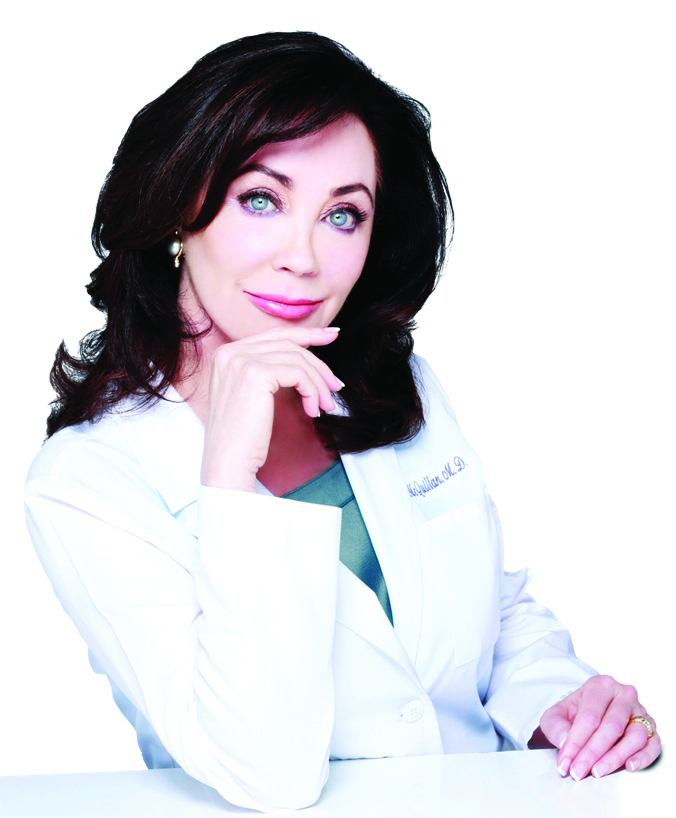
Sharon McQuillan, MD
Sharon McQuillan, MD is a board-certified physician specializing in Integrative, Regenerative, and Aesthetic Medicine. Dr. McQuillan is the program director for the Stem Cell Fellowship and has extensive experience in the field of regenerative medicine. She has authored numerous research protocols and serve as a liaison between many governmental agencies, educating them about the promise of regenerative therapies.
Raphael Gonzalez, PhD
Raphael Gonzalez is the Vice-President of Research and Development for BioBox and is responsible for the development of clinical stem cell applications for several disease and trauma states. He has authored numerous research and clinical studies regarding the use of stem cells.
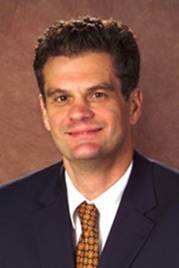
H. Thomas Temple
H. Thomas Temple MD is board-certified orthopedic surgeon and the Senior Vice President of Tranlational Research and Economic Development as well as the Executive Dean for Research in the College of Allopathic Medicine at Nova Southeastern University. He is an expert in the stem cell applications of bone and cartilage regeneration, tissue banking, and the development of targeted therapies for sarcomas.
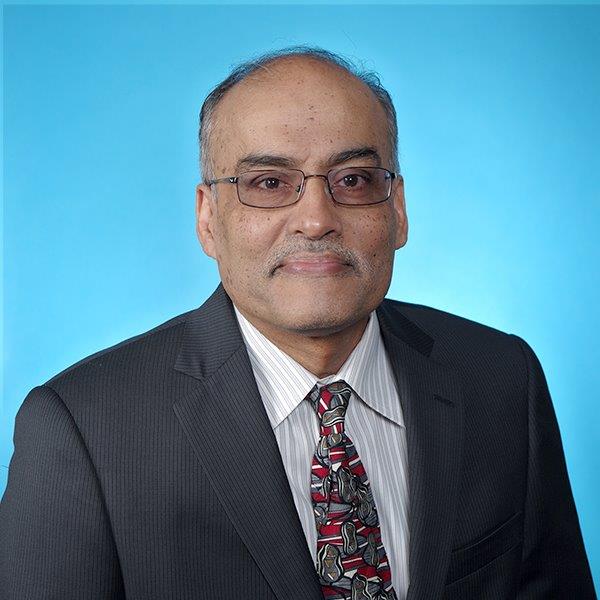
Arshed Quyyumi, MD, FACC, FRCP
Arshed Quyyumi, MD is a Professor of Cardiology and Co-Director of the Cardiac research Institute at Emory University. Dr. Quyyimi is a thought leader regarding progenitor cells and angiogenesis, biomarkers and vascular genomics, and bone marrow stem cells and has published over 250 papers and landmark studies on these topics.
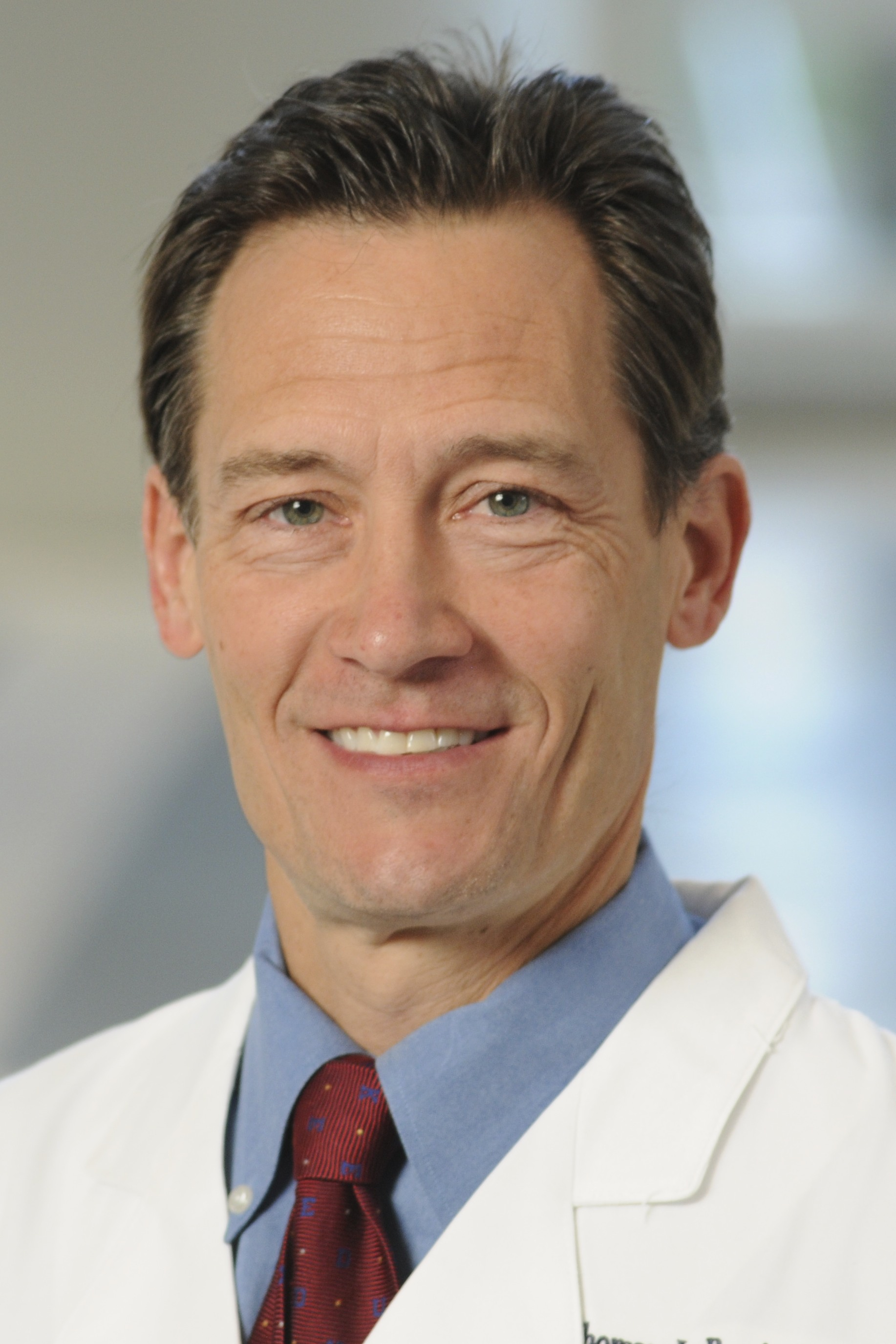
Thomas Povsic, MD
Thomas Povsic, MD is an Associate Professor of Cardiology and Director of Advanced Biomarkers at Duke University. His extensive research and publications center around progenitor cells and biomarkers for treating refractory angina, peripheral artery disease, and cardiovascular disease.
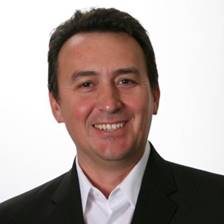
Gabriel Nistor, MD, PhD
Gabriel Nistor, MD is the Vice-President of Research and Development at Aivita Biomedical. Dr. Nistor is a world leader in embryonic stem cell, cancer stem cell, and spinal cord injury research, and holds many patents regarding stem cell treatments and processes. He has been awarded multiple grants from the NIH and CIRM and had published his research extensively.
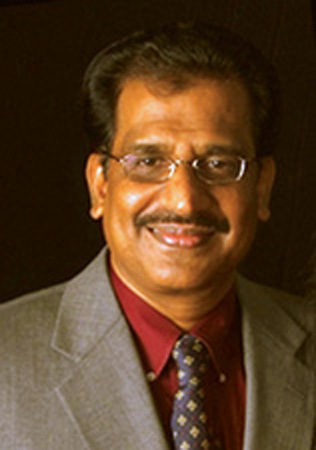
Ashok Shetty, PhD
Ashok Shetty, PhD is a Professor and Director of Neurosciences for the Institute of Regenerative Medicine at Texas A & M University, as well as a research career scientist for the Olin Teaugue Veteran’s Affairs Medical Center, Central Texas. Dr. Shetty has over 100+ journal publications with a focus on the use of neural stem cells in promoting brain repair.
Rahul Desai, MD
Rahul Desai, MD is a fellowship-trained musculoskeletal and spinal interventional radiologist. He is an internationally recognized expert in platelet rich plasma and stem cell treatments for musculoskeletal conditions and published his results in many peer-reviewed journals.
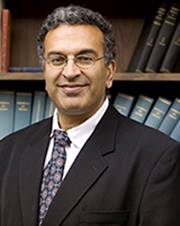
Shalesh Kaushal, MD
Shalesh Kaushal, MD is an Adjunct Professor in the Department of Ophthalmology at New York Medical College. He has published 30+ scientific study publications and has numerous patents involving the use of stem cells in ophthalmology.
Joel Baumgartner, MD
Joel Baumgartner, MD is a board-certified Sports Medicine specialist and medical director of Rejuv Medical and Orthopedic Medicine in St. Cloud, Minnesota. He is an expert and contributing author on the subjects of prolotherapy, platelet rich plasma, and pain management.
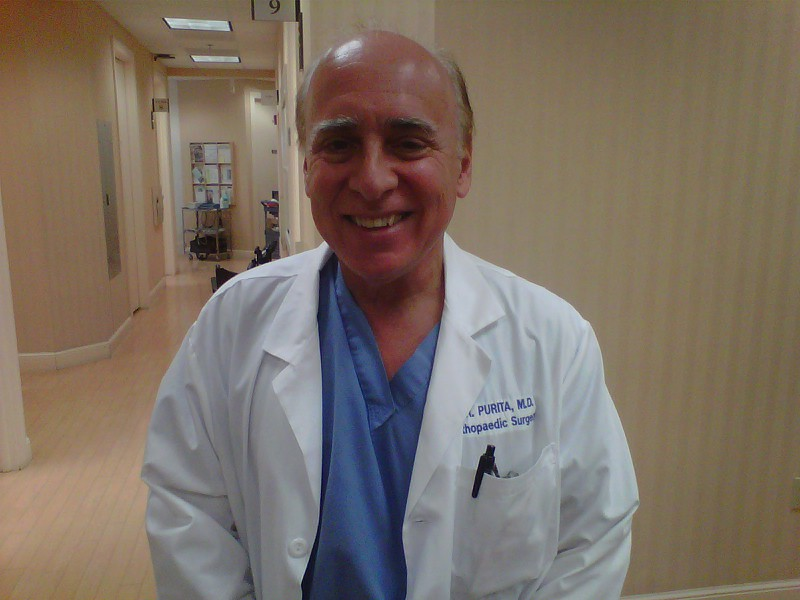
Joseph Purita, MD
Joseph Purita, MD is a board-certified orthopedic surgeon and pain management physician from South Florida. Dr. Purita is a renowned pioneer in the use of stem cells and platelet rich plasma for orthopedic conditions.
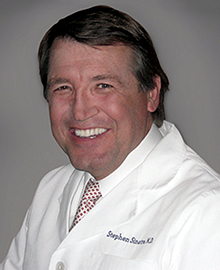
Stephen Sinatra, MD
Stephen Sinatra, MD is board-certified cardiologist metabolic cardiology expert, and best-selling author. He has developed numerous supplements and treatment protocols for cardiovascular disease management.
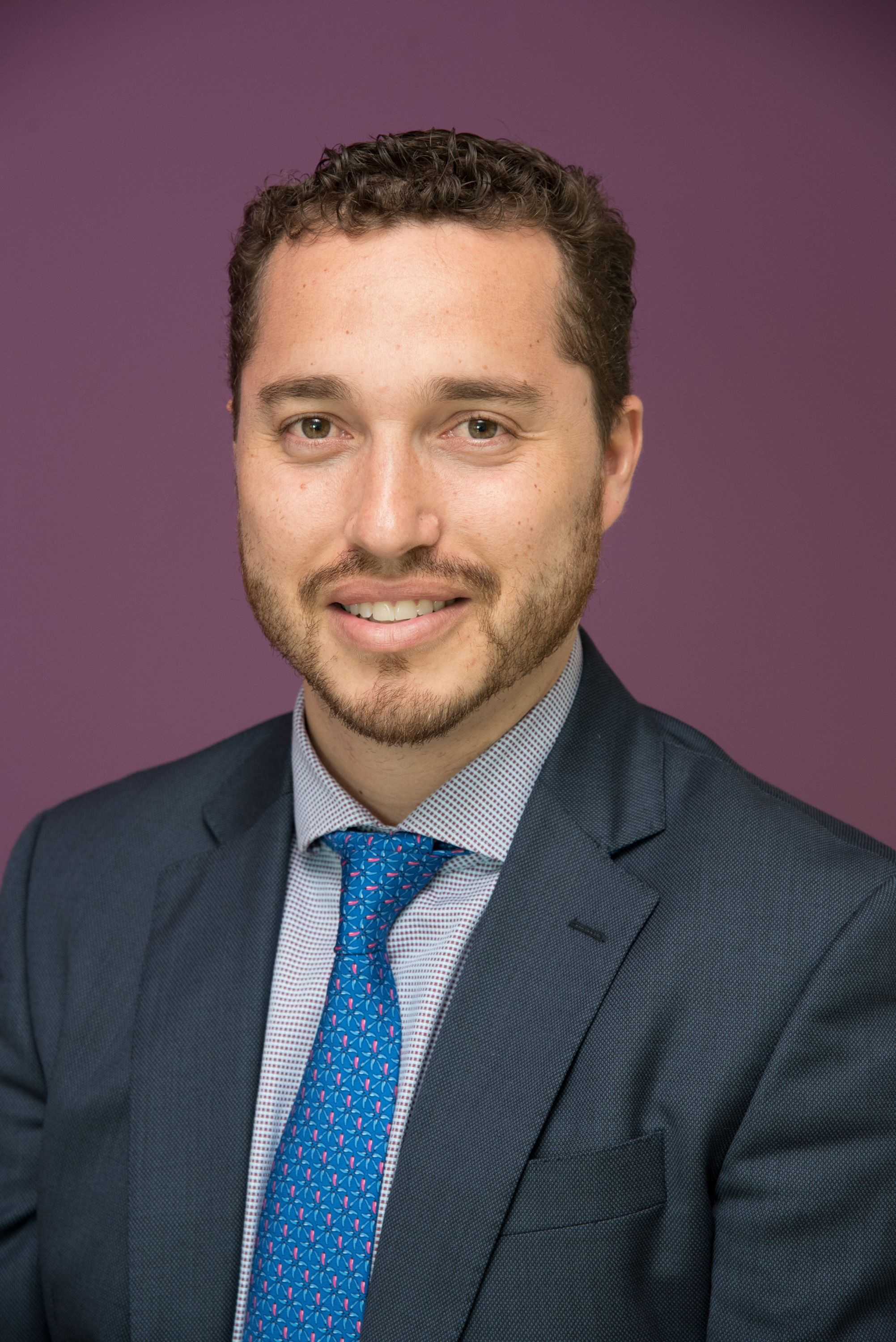
Ernesto Gutierrez, MD
Ernesto Gutierrez, MD is a Professor at Anunauc University School of Medicine and President and Medical Director of the World Stem Cell Clinic, a medical facility specializing in autologous stem cell treatments. Dr. Gutierrez’s area of expertise is in the treatment of autism utilizing stem cells.
Doreen Saltiel, MD
Doreen Saltiel MD is a board-certified physician in cardiology, internal medicine, and venous and lymphatic disease. Dr. Saltiel is a renowned speaker and educator regarding integrative cardiology.
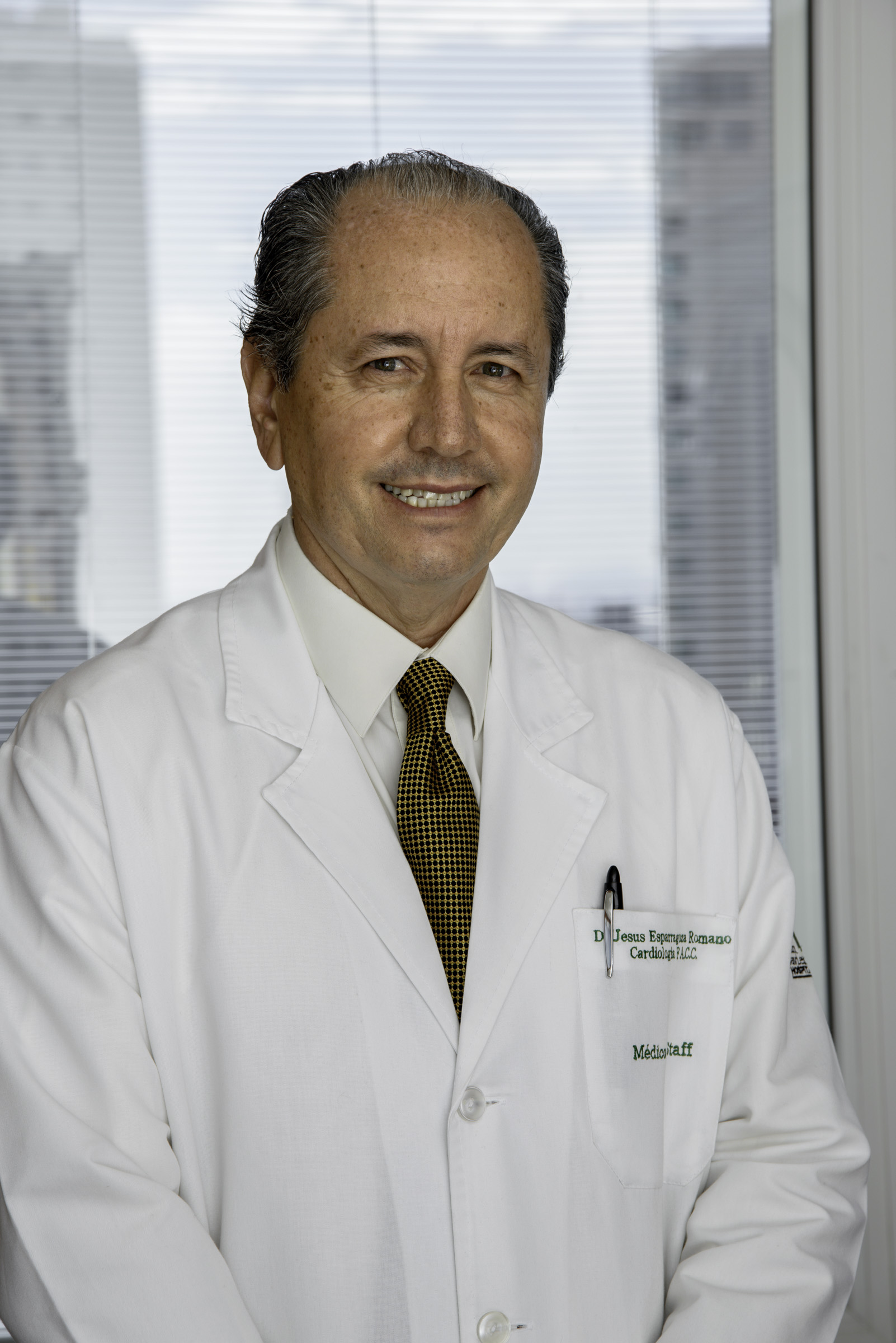
Jesus Esparragoza, MD
Jesus Esparragoza, MD is a board-certifed interventional cardiologist from Mexico. He is a pioneer in stem cell therapies, approving protocols through COFEPRIS (Mexico’s FDA) and currently performs stem cell treatments at ReHealth Clinic.
Roberto Vazquez-Padron, PhD
Roberto Vazquez-Padron is an Associate Professor of the Vascular Biology Institute at the University of Miami Miller School of Medicine. His areas of specialty focus on the role of stem cells in vascular and cardiovascular disease and he has authored 50+ studies on these topics.
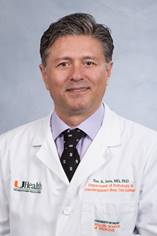
Tan Ince, MD, PhD
Tan Ince MD is an Associate Professor of Pathology at the University of Miami Miller School of Medicine and former professor of Pathology at Harvard University. His area of expertise and research publication is cancer stem cells.
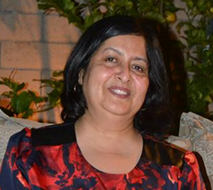
Anasua Kusari, PhD
Anasua Kusari, PhD is a scientist and Molecular Biology Core Manager at DaVinci Bioscience. She has decades of experience in cell signaling and protein-protein interactions in mammalian cells. For the last several years she has been working on developing a better understanding of the differentiation of cartilage from bone marrow stromal cells at the molecular level. She had published her work in many peer-reviewed journals.
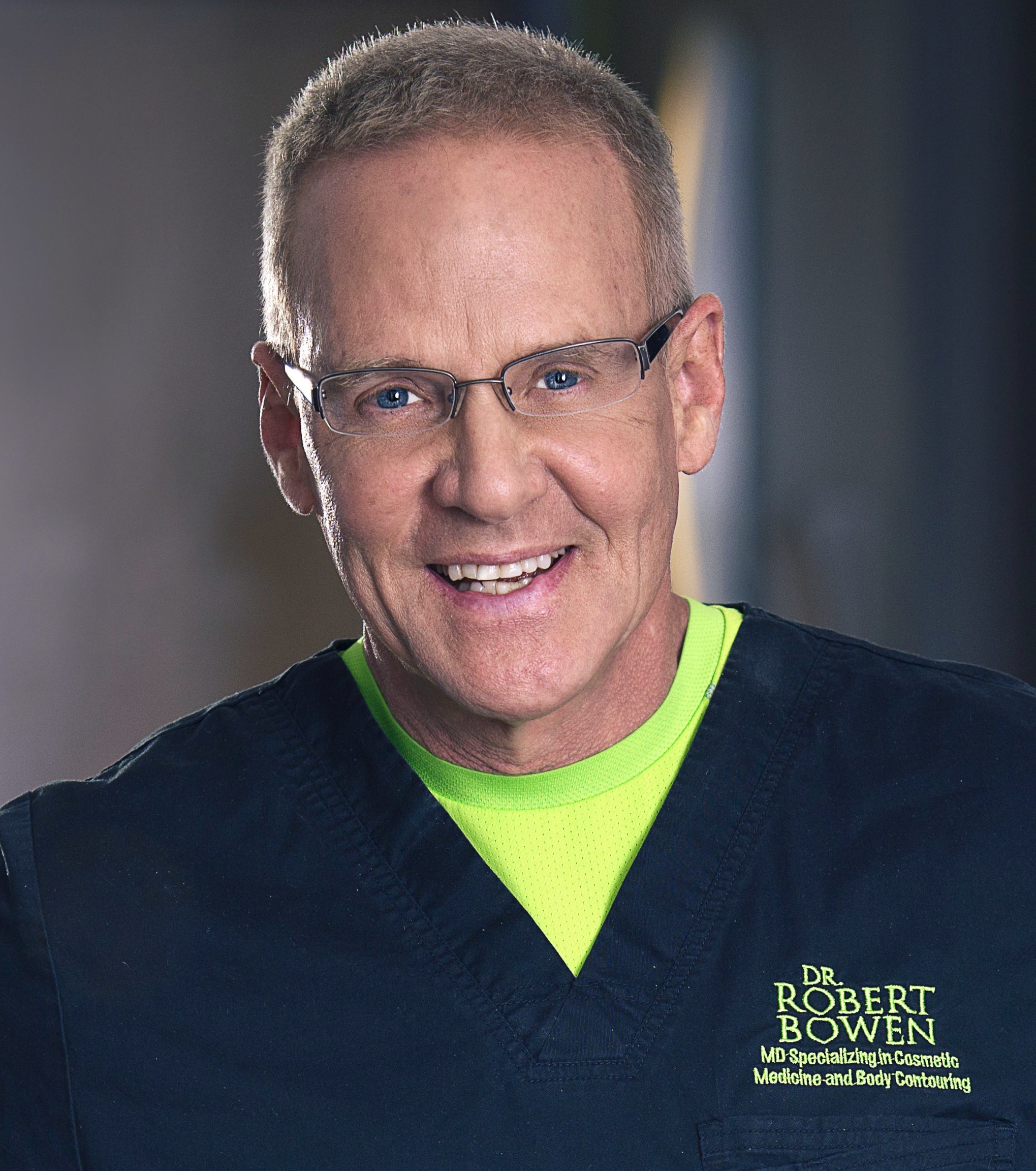
Robert Bowen, MD
Robert Bowen MD is a triple board-certified physician in internal medicine, pulmonary medicine, and sleep medicine as well as an Associate Professor of Medicine and Co-Director of the Internal Medicine internship program at West Virginia University Medical School. He has extensive experience in stem cell therapy for wound healing.
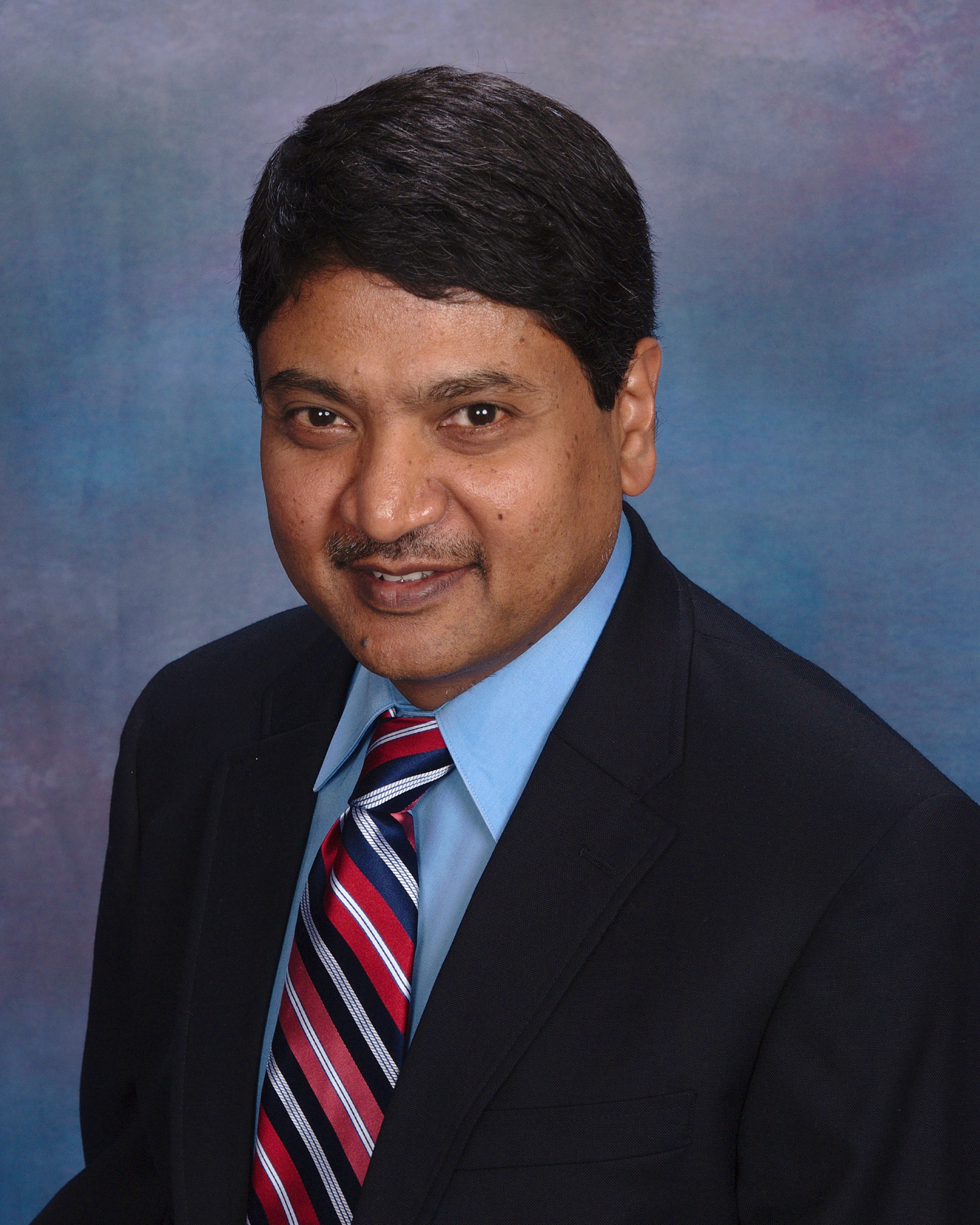
Mukesh Saraiya, MD
Mukesh Saraiya MD is a board-certified physician in internal medicine, sleep medicine, and pulmonology, as well as a clinical Associate Professor at the University of Texas. He has experience treating numerous patients with lung disease utilizing autologous stem cells.
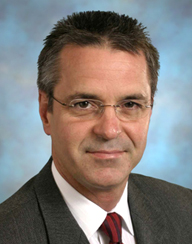
Claude Fortin, MD
Claude Fortin MD is a board-certified physician in neurology and electroencephalogography, and a Loyola medical school graduate. He specializes in integrative strategies for neurodegenerative disease.
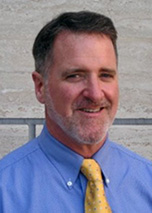
Kevin MacDonald
Kevin MacDonald has more than 25 years of experience and a successful track record with achieving regulatory market clearances/approvals in the United States and abroad. His main area of expertise is as a regulatory, clinical, and quality consultant working with small medical device startup companies. He has held Vice-President positions at NeoTract, Concentric Medical, and RA/QA/CA positions with Fox Hollow Technologies, Heartport, Cordis, Boston Scientific, and CR Bard.
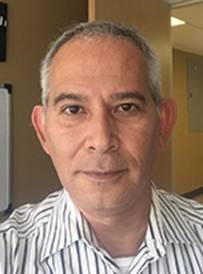
Nelson Piludu, MT
Nelson Piludu is a medical technologist by training and has over 10 years of experience in the clinical research industry. His area of expertise is platelet rich plasma.
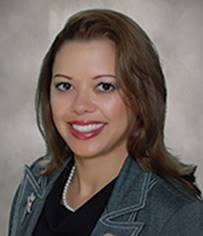
Yvette Blanco-Jivangee, MS
Yvette Jivangee is a clinical research professional with 17 years of experience within the academic and biomedical industries. Her areas of expertise is in regenerative medicine compliance, particularly cGMP, cGTP, and cGLP.
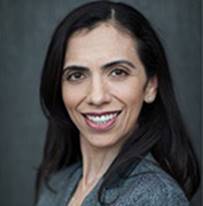
Marisol Castor-Paiz, PhD
Marisol Castor-Paiz PhD is an accomplished and highly skilled scientist dedicated to the research and development of pharmaceuticals and medical products from early discovery through regulatory and clinical development.
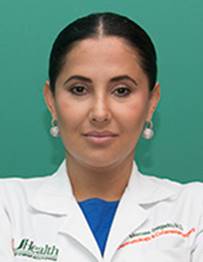
Marcela Salgado, MD
Marcela Salgado MD is a medical research administrator at the University of Miami Miller School of Medicine with extensive and proven expertise in clinical and translational research and pathology.